For me, Karnivool has always felt like the presence of a vast being — something you can’t really see, but can deeply feel. It reveals itself in different corners of the world, through headphones, wherever you happen to be. And yet, it always feels personal. Deeply personal. - Comment on Opal
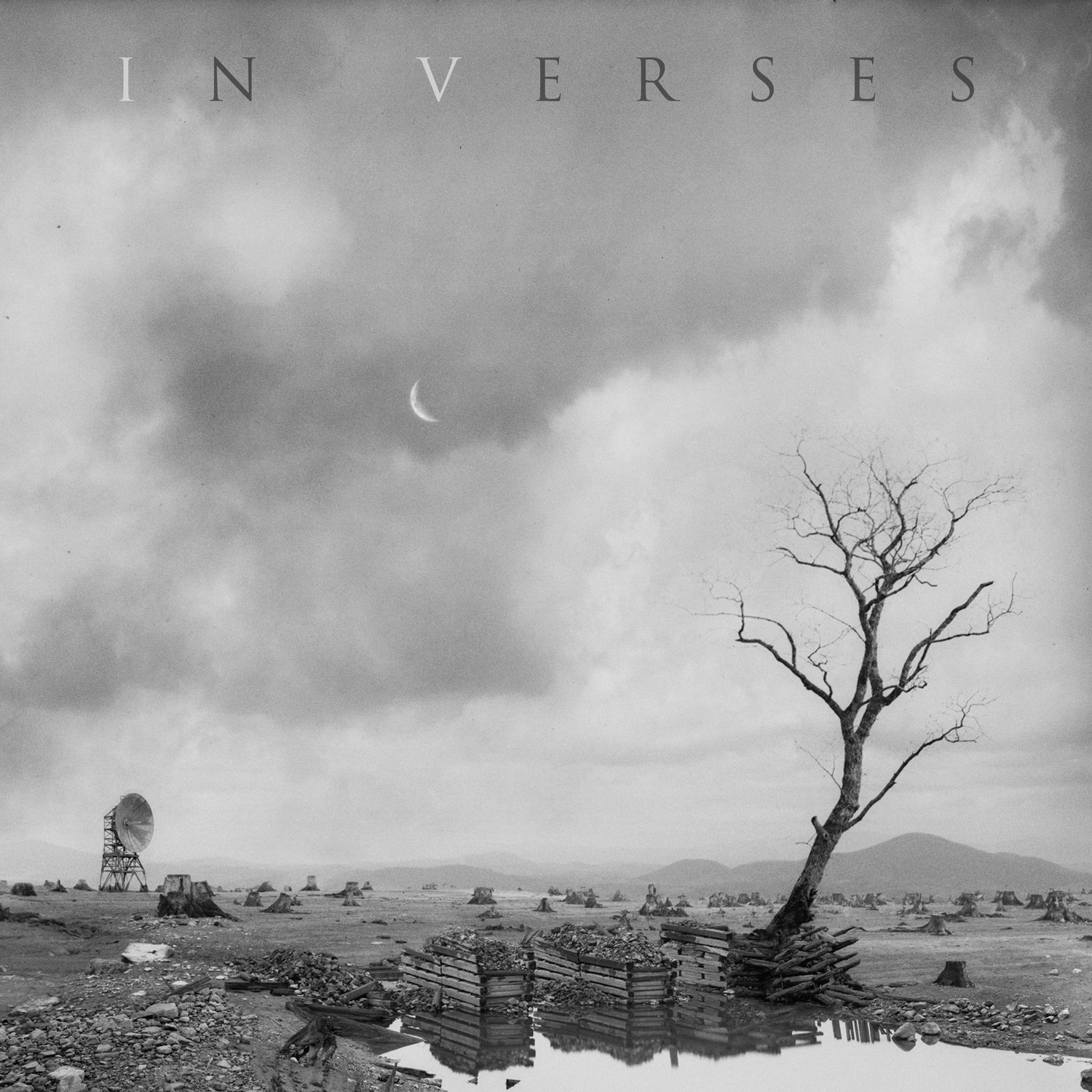
Karnivool’s Themata is one of my favorite things ever. Complicated yet catchy, heavy yet achingly bittersweet, it’s music for ugly crying and headbanging at the same time. I’d think it would be basically impossible to follow an album like that up. Though it did indeed fail to reach the euphoric heights of Themata, their second album, Sound Awake, was still pretty fun. But Asymmetry just didn’t grab me; it wasn’t heavy enough. So when I heard the first gritty “JUNT” at the beginning of In Verses (youtube playlist), I was cautiously hyped.
The tone and production here are great, Jon Stockman’s bass is as grimy as ever. The fuzzier, sludgier guitar tone is welcome - it reminds me in places of Inlet by Hum. Astonishingly Ian Kenny also sounds as great as ever; his voice doesn’t seem to have aged much despite it being thirteen years since their last album. Unfortunately, there also aren’t a lot of Karnivool’s usual catchy riffs here. I would have liked to hear tighter, more Themata-ish songwriting. The album feels very self-indulgently prog in a way that isn’t fun.
This is, in general, not a fun album. The lyrics and overall vibe reflect the despair a lot of us are feeling about the state of the world right now. There’s a lot about “false hope” here - there’s no real hope on this album, just mourning the final death of a world that’s been dying for decades.
This is where I think Gecko is gonna get annoyed, and I’m gonna talk about why my model of Gecko is annoyed with this album not because I share inner-Gecko’s take exactly - I mean I do, but it doesn’t ruin the album - but because it’s an interesting piece of JRNJ-adjacent theory I think you should know about: Hypernormalisation, or as we call it here in the Zone, Hypernormalization.
Hypernormalization is when the state of an obviously dysfunctional society seems so normal that change appears impossible. The New Yorker describes it thusly:
“[A]n entropic acceptance and false belief in a clearly broken polity and the myths that undergird it.” - Adam Curtis’s Essential Counterhistories
One of the central myths of the global neoliberal order that emerged post-WWII is the idea that there was no alternative. As the old saying1 goes, “it is easier to imagine the end of the world than the end of capitalism.”
But there are alternatives. Different societies existed before, and history is filled with examples of societies changing. Sometimes things change very fast - see Cory Doctorow’s favorite example of the EU’s rapid progress on renewable energy. For better or worse, we’re not at the end of history here. We’re simply in a transitional period, and we have some ability to shape what happens.
I think Karnivool understand this, on some level. There are hints on the second half of the album that a rebirth may come after this death. Unfortunately, the tracks still aren’t great. There are some good ideas here but it just doesn’t come together most of the time. I can’t necessarily fault them for that - it is their first new album in thirteen years - but I can still be a little disappointed.
If you like this album, you might like:
- Sound Awake (similar ideas, but better IMO)
- Themata (not quite the same thing, but really really good)
- Wheel - Wheel (haven’t listened to the whole album, but song is great and touches on some of the lyrical themes in a more concrete, direct way while also having actual riffs)
-
I’m not entirely sure who first said this. It might have been Mark Fisher, but he allegedly attributes it to both Frederic Jameson and Slavoj Žižek. I’m not sure how that works. ↩